Insights
African history, a vibrant mosaic of civilizations, cultures, and traditions, spans millennia and
traverses vast landscapes, from the ancient kingdoms of Egypt and Kush to the vibrant empires
of West Africa and the diverse societies of the Swahili coast. This article embarks on a journey
through the annals of African history, unraveling its complex tapestry of triumphs, struggles, and
enduring legacies that have shaped the continent and influenced the course of world history.
The cradle of humanity, Africa boasts a rich legacy of ancient civilizations that laid the
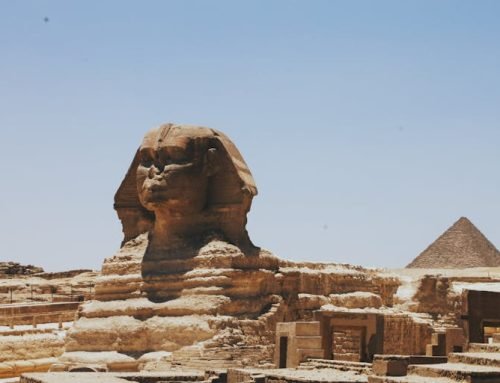
foundations of human civilization. In the Nile Valley, the kingdoms of Egypt and Kush flourished,
building magnificent pyramids, temples, and monuments that stand as testaments to their
enduring legacy. Along the banks of the Niger River, the empires of Ghana, Mali, and Songhai
rose to prominence, wielding vast wealth and power through trade networks that spanned the
Sahara Desert.
The trans-Saharan trade routes served as conduits of commerce and cultural exchange, linking
the markets of North Africa with the riches of the Sahel and beyond. Caravans laden with gold,
ivory, and slaves traversed the desert sands, fostering cross-cultural interactions and exchanges
that enriched the tapestry of African societies. Alongside goods, ideas, and technologies flowed,
shaping the cultural, religious, and linguistic landscape of the continent.
The dawn of the colonial era ushered in a period of upheaval and resistance as European powers
vied for control of African territories and resources. The Scramble for Africa, driven by imperial
ambitions and economic interests, carved up the continent, imposing artificial boundaries and
exploiting indigenous peoples and resources for the benefit of colonial powers. Yet, African
resistance movements, from the Mahdist uprising in Sudan to the Maji Maji Rebellion in East
Africa, bore witness to the resilience and determination of African peoples to assert their
sovereignty and independence.
The mid-20th century witnessed a wave of decolonization as African nations reclaimed their
independence and embarked on the arduous journey of nation-building. From Ghana’s
independence in 1957 to the wave of liberation movements that swept across the continent,
Africa charted a course towards self-determination and sovereignty. Yet, the legacy of
colonialism loomed large, leaving behind deep-seated divisions, economic inequalities, and
political instability that continue to shape the trajectory of African nations today.
In the 21st century, Africa stands at a crossroads, grappling with a myriad of challenges and
opportunities as it seeks to chart a path towards peace, prosperity, and development. From the
scourge of poverty and disease to the promise of economic growth and technological innovation,
the continent is poised to play a pivotal role in shaping the future of the global community. Yet,
realizing Africa’s full potential requires addressing systemic issues such as governance,
corruption, and social inequality, while harnessing the talents and creativity of its diverse
peoples.
African history is a testament to the resilience, ingenuity, and diversity of the continent’s
peoples, spanning ancient civilizations, colonial encounters, and struggles for independence and
self-determination. As Africa navigates the complexities of the modern world, its rich tapestry of
history serves as a source of inspiration and guidance, illuminating the path towards a future of
peace, prosperity, and unity for all its inhabitants.