Insights
Environmental conservation stands as humanity’s collective endeavor to safeguard the Earth’s
precious ecosystems, biodiversity, and natural resources for present and future generations. In
an era marked by escalating climate change, biodiversity loss, and habitat destruction, the
imperative of conservation has never been more pressing. This article embarks on a
comprehensive journey through the intricacies of environmental conservation, delving into its
historical evolution, contemporary challenges, innovative strategies, and transformative impact
on ecosystems and societies worldwide. Through empirical evidence, case studies, and
interdisciplinary insights, this discourse endeavors to unravel the complexities of environmental
conservation and advocate for sustainable stewardship of our planet.
The roots of environmental conservation can be traced back to early conservationists and
preservationists who recognized the intrinsic value of nature and advocated for its protection.
From the establishment of the world’s first national park, Yellowstone, in 1872 to the founding of
environmental organizations such as the Sierra Club and the World Wildlife Fund, conservation
movements have played pivotal roles in raising awareness and mobilizing action to protect
natural habitats and species (Grove, 1997). Examples abound of landmark conservation
initiatives, such as the Endangered Species Act and the Convention on Biological Diversity, which
have catalyzed global efforts to preserve biodiversity and mitigate anthropogenic threats to
ecosystems.
In the 21st century, environmental conservation faces unprecedented challenges driven by
population growth, industrialization, deforestation, pollution, and climate change. The loss of
biodiversity, degradation of ecosystems, and depletion of natural resources pose existential
threats to life on Earth, undermining ecological resilience and compromising the well-being of
communities dependent on natural ecosystems (CBD, 2019). Moreover, the inequitable
distribution of environmental impacts exacerbates social disparities, disproportionately affecting
marginalized communities and vulnerable populations (Schlosberg & Collins, 2014). Addressing
these challenges requires adopting holistic approaches to conservation that integrate ecological,
social, and economic dimensions, prioritizing ecosystem restoration, sustainable land
management, and climate resilience.
Despite these challenges, innovative strategies and conservation solutions offer hope for
mitigating environmental degradation and fostering sustainable development. Examples include
the establishment of protected areas, marine reserves, and wildlife corridors to conserve critical
habitats and safeguard biodiversity (IUCN, 2020). Furthermore, advancements in technology,
such as satellite imaging, remote sensing, and data analytics, provide valuable tools for
monitoring environmental change, identifying conservation priorities, and informing evidencebased decision-making (Turner et al., 2015). Additionally, community-based conservation
initiatives, indigenous stewardship practices, and sustainable livelihoods empower local
communities to become custodians of their natural heritage, fostering a sense of ownership and
responsibility for conservation outcomes (Berkes, 2009).
Environmental conservation initiatives have transformative impacts on ecosystems, biodiversity,
and human well-being, generating ecological, economic, and social benefits for present and
future generations. Restoring degraded ecosystems, such as forests, wetlands, and coral reefs,
enhances biodiversity, carbon sequestration, and ecosystem services, contributing to climate
resilience and sustainable development (MEA, 2005). Moreover, investing in conservation and
sustainable land management generates employment, fosters eco-tourism, and enhances food
security, supporting livelihoods and economic prosperity in rural and urban areas (UNEP, 2020).
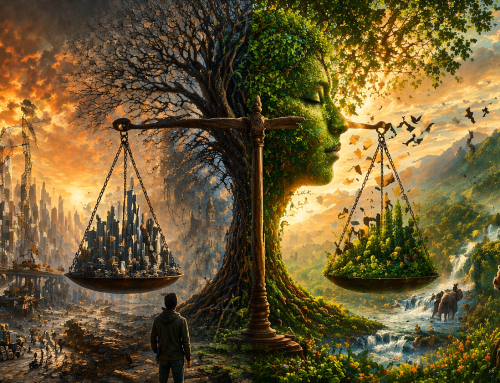
By integrating conservation with sustainable development goals, societies can achieve a
harmonious balance between human needs and ecological imperatives, ensuring the long-term
viability of our planet.
Environmental conservation represents humanity’s moral imperative and practical necessity to
safeguard the Earth’s ecosystems, biodiversity, and natural resources. By embracing holistic
approaches to conservation, leveraging innovative strategies, and fostering collaborative
partnerships, we can address the existential threats of climate change, biodiversity loss, and
environmental degradation. As stewards of our planet, we have the responsibility and opportunity
to chart a sustainable course towards a resilient and thriving future for all life on Earth.