Insights
Art is more than aesthetics; it is a process of cultural negotiation. Read our deep dive into how meaning-making through visual and performative arts shapes our shared history and evolving social identities.
Art is frequently approached as an expression of individual creativity, a product of talent, imagination, and personal vision. This view foregrounds the artist while treating culture as a backdrop. Yet cultural theory suggests a more reciprocal relationship. Artistic forms do not merely emerge from culture; they participate in shaping it. Art both reflects and regulates social meaning, negotiating tensions between continuity and change.
Historically, artistic movements have coincided with periods of social transformation. The rise of realism in nineteenth-century Europe paralleled industrialisation and urbanisation, redirecting attention from idealised subjects to everyday life. Yet realism did not simply mirror reality. It selected, framed, and interpreted experience, privileging certain perspectives while marginalising others. Artistic representation thus involves judgment, not transcription.
Modern and contemporary art intensify this dynamic. Abstract forms challenge conventional expectations of representation, demanding active interpretation from the viewer. Meaning becomes unstable, distributed across creator, audience, and context. The discomfort such works generate is not incidental; it reveals the extent to which cultural norms shape perception. What appears obscure or inaccessible often exposes unexamined assumptions about value and legitimacy.
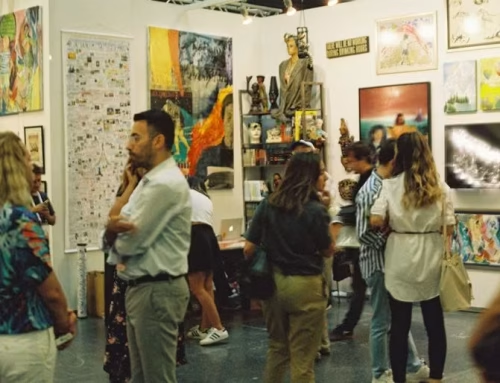
Cultural institutions mediate this process. Museums, galleries, and academies influence which works are preserved, exhibited, and canonised. These institutions operate within economic and political constraints, affecting artistic visibility. Pierre Bourdieu’s analysis of cultural capital illustrates how taste functions as a marker of social distinction. Art appreciation becomes intertwined with education, class, and access, complicating claims of universal aesthetic judgment.
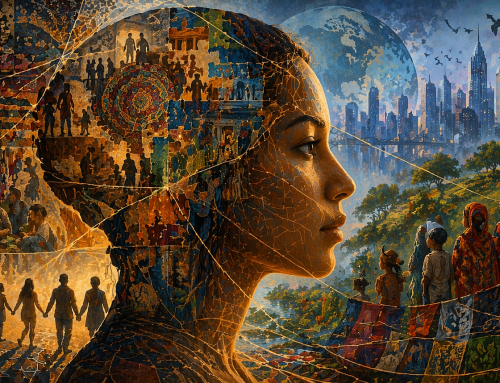
Globalisation further complicates cultural meaning. Artistic forms circulate across borders, absorbing and transforming influences. While this exchange enriches expression, it raises concerns about appropriation and homogenisation. Local traditions may gain global visibility but lose contextual specificity. Cultural hybridity generates creativity alongside tension, resisting simple celebration or critique.
Art also serves a stabilising function. Rituals, symbols, and shared narratives reinforce collective identity, providing continuity amid change. At the same time, art offers space for critique, imagining alternatives to existing arrangements. This dual role creates ambiguity. Art can challenge power structures while being absorbed by them, subverting norms even as it becomes commodified.
Understanding art, therefore, requires attention to its social embeddedness. Meaning is neither fixed nor purely subjective. It emerges from interaction between form, context, and interpretation. Art’s enduring relevance lies in its capacity to hold contradictions without resolving them, inviting societies to reflect on their values rather than prescribing answers.