Insights
Cultural diversity, the kaleidoscope of unique beliefs, customs, and traditions woven by diverse
societies around the globe, stands as a testament to the richness and complexity of human
civilization. In this article, we embark on a comprehensive exploration of cultural diversity,
delving into its myriad facets, significance, and implications for contemporary society.
Cultural diversity encompasses the wide array of cultural expressions and identities that exist
within and between communities worldwide. From linguistic diversity and religious practices to
culinary traditions and artistic expressions, cultural diversity reflects the multifaceted nature of
human existence. For example, the diverse cuisines of Asia, ranging from spicy curries in India to
delicate sushi in Japan, highlight the culinary richness fostered by cultural diversity.
Cultural diversity extends beyond surface-level differences to encompass deeper aspects of
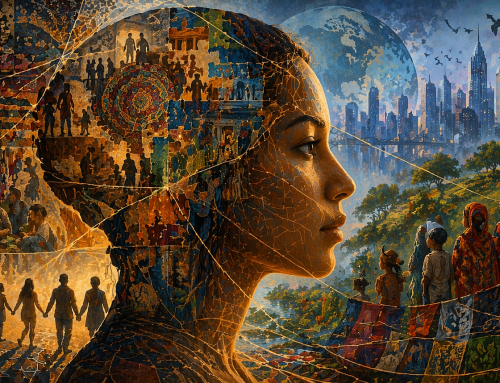
identity, such as values, norms, and worldviews. The intricate tapestry of cultural diversity
fosters mutual respect, understanding, and appreciation for the unique contributions of each
community to the collective mosaic of humanity.
Cultural diversity serves as a cornerstone of social cohesion, fostering tolerance, empathy, and
dialogue across diverse communities. Embracing cultural diversity not only enriches individual
lives but also strengthens the fabric of society by promoting inclusivity and mutual respect. For
instance, multicultural societies like Canada and Australia have embraced policies promoting
cultural diversity, recognizing the inherent value of fostering a pluralistic and inclusive society.
Cultural diversity fuels innovation, creativity, and economic growth by fostering cross-cultural
exchange and collaboration. Research has shown that diverse teams and organizations are more
innovative and adaptable, drawing from a broader range of perspectives and experiences. By
harnessing the creative potential of cultural diversity, societies can address complex challenges
and seize new opportunities in an increasingly interconnected world.
Despite its inherent benefits, cultural diversity also poses challenges, including social tensions,
discrimination, and marginalization. In many parts of the world, ethnocentrism and xenophobia
persist, leading to social divisions and conflict. Addressing these challenges requires concerted
efforts to promote intercultural dialogue, foster empathy, and combat prejudice and stereotypes.
These challenges lie immense opportunities for growth and transformation. By embracing
cultural diversity as a source of strength and resilience, societies can build more inclusive and
equitable communities that celebrate the richness of human experience. Education plays a
pivotal role in promoting cultural literacy and fostering intercultural understanding from an early
age, laying the foundation for a more harmonious and interconnected world.
Cultural diversity stands as a cornerstone of human civilization, enriching our lives with its
vibrant tapestry of traditions, languages, and perspectives. By embracing cultural diversity, we
celebrate the inherent dignity and worth of every individual and foster a more inclusive and
equitable society for future generations. As we navigate the complexities of an increasingly
diverse world, let us strive to build bridges of understanding, empathy, and cooperation, guided
by the timeless wisdom embedded within the mosaic of cultural diversity.