Insights
Microplastics pollution represents one of the most insidious and pervasive threats to our
environment and public health in the 21st century. Defined as plastic particles smaller than 5
millimeters in diameter, microplastics originate from the fragmentation of larger plastic debris
and from microbeads used in personal care products. These minute pollutants have infiltrated
ecosystems worldwide, from the deepest ocean trenches to the highest mountain peaks, posing
complex challenges to environmental management and human health.
The ubiquity of microplastics can be attributed to the extensive use of plastics in modern
society. Annually, approximately 368 million tonnes of plastic are produced globally, with a
significant portion designed for single-use applications. The degradation of these plastics,
facilitated by photodegradation, mechanical abrasion, and biological processes, results in the
generation of microplastics. For instance, a 2015 study estimated that oceans receive up to 12.7
million tonnes of plastic waste each year, contributing significantly to microplastics pollution .
Microplastics are classified into primary and secondary types. Primary microplastics are
intentionally manufactured to be small, such as microbeads in cosmetics, while secondary
microplastics arise from the breakdown of larger plastic items. Both types permeate various
environmental matrices, including aquatic systems, terrestrial soils, and even the atmosphere. A
landmark study in 2019 revealed that microplastics have been detected in the most remote
areas, including the Arctic snow and the Pyrenees mountains, illustrating their pervasive nature .
The environmental ramifications of microplastics are multifaceted and profound. In marine
environments, microplastics are ingested by a wide range of organisms, from zooplankton to
larger marine animals. This ingestion can cause physical harm, such as internal abrasion and
blockages, and chemical harm due to the leaching of toxic additives. Moreover, microplastics
serve as vectors for persistent organic pollutants (POPs), which adhere to their surfaces and are
introduced into food webs upon ingestion .
The impact on marine life is well-documented. For example, a study published in *Nature
Communications* found that larval fish exposed to microplastics experienced reduced growth
rates and increased mortality, potentially disrupting marine population dynamics and ecosystem
stability . Additionally, seabirds, such as the northern fulmar, have been found with significant
quantities of microplastics in their digestive systems, indicating widespread contamination
across trophic levels.
Terrestrial ecosystems are not immune to microplastics pollution. Agricultural soils receive
microplastics through sewage sludge application, irrigation with contaminated water, and
atmospheric deposition. These particles can alter soil properties, affect microbial communities,
and impair plant growth. A study conducted in 2020 highlighted that earthworms exposed to
microplastics exhibited reduced burrowing activity and growth, which could have cascading
effects on soil health and fertility .
The infiltration of microplastics into human systems is a growing concern. Humans are exposed
to microplastics through various pathways, including consumption of contaminated food and
water, inhalation of airborne particles, and dermal contact. A seminal study in 2018 detected
microplastics in human stool samples, indicating that ingestion is a significant exposure route .
The health effects of microplastics on humans are not yet fully understood, but emerging
research suggests potential risks. Microplastics can induce inflammation, cytotoxicity, and
oxidative stress in human cells. Furthermore, the additives and adsorbed pollutants associated
with microplastics, such as bisphenol A (BPA) and phthalates, are known endocrine disruptors
and have been linked to adverse health outcomes, including reproductive disorders and cancer .
The respiratory system is particularly vulnerable to microplastics, especially for individuals living
in urban areas with high levels of airborne particulate matter. Inhalation of microplastics can lead
to respiratory issues, including asthma and bronchitis. A study from 2021 found microplastics in
lung tissue samples, underscoring the potential for chronic respiratory exposure and its
implications .
Addressing the microplastics crisis requires comprehensive and multifaceted strategies. Reduction at the source is paramount, necessitating global efforts to curtail plastic production
and promote sustainable alternatives. Policy measures, such as bans on microbeads in personal
care products and single-use plastics, have shown efficacy. For instance, the United States
implemented the Microbead-Free Waters Act in 2015, which significantly reduced primary
microplastic inputs into aquatic environments .
Enhancing waste management infrastructure is also critical. Improved recycling systems, waste
segregation, and advanced treatment technologies can mitigate plastic leakage into the
environment. Furthermore, innovative approaches, such as bioremediation and the development
of biodegradable plastics, offer promising avenues for reducing the environmental footprint of
plastics.
Public awareness and behavioral changes play a crucial role in addressing microplastics
pollution. Education campaigns and community initiatives can foster a culture of sustainability
and encourage practices such as reducing plastic consumption, opting for reusable products,
and participating in clean-up efforts.
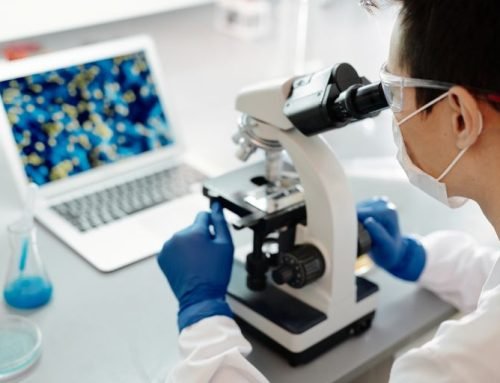
Continued research and monitoring are essential to understand the full extent of microplastics
pollution and its impacts. Advancements in analytical techniques, such as spectroscopy and
microscopy, have improved the detection and characterization of microplastics in various
environmental matrices. Long-term monitoring programs, like those conducted by the National
Oceanic and Atmospheric Administration (NOAA), provide valuable data on microplastics
distribution and trends, informing policy and management decisions .
Interdisciplinary research that integrates environmental science, toxicology, and public health is
needed to elucidate the mechanisms of microplastics toxicity and their effects on ecosystems
and human health. Collaborative efforts between academia, industry, and governmental agencies
can drive innovation in mitigation technologies and regulatory frameworks.
Microplastics pollution is a pervasive and escalating environmental challenge that demands
urgent and coordinated action. Its multifaceted impacts on ecosystems and human health
necessitate a holistic approach that encompasses source reduction, waste management, public
engagement, and rigorous scientific research. As our understanding of microplastics deepens, it
is imperative that society embraces sustainable practices and poli