Insights
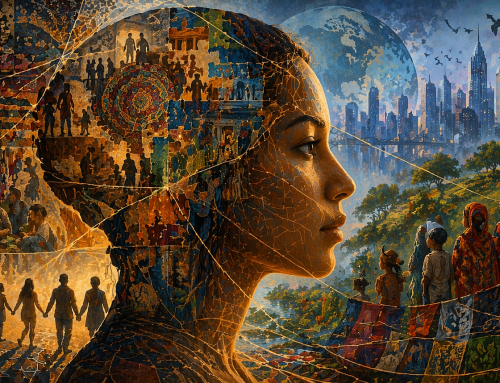
Cultural Anthropology, a captivating field of study, delves into the intricate tapestry of human societies and their diverse ways of life. For students with a penchant for unraveling the complexities of different cultures, this discipline offers a profound intellectual journey.
At its core, Cultural Anthropology seeks to understand the patterns of thought, behavior, and expression within various societies. It ventures beyond the surface, examining the shared values, rituals, and social structures that shape communities across the globe. With a rich tapestry of ethnographic studies, students are exposed to the lived experiences of people from remote villages to bustling urban centers.
One key aspect of Cultural Anthropology is participant observation, where researchers immerse themselves in the day-to-day activities of a community. This hands-on approach allows for a nuanced understanding of cultural nuances and fosters empathy towards diverse perspectives. As students navigate through the vast landscape of anthropological literature, they encounter narratives that challenge preconceptions and broaden their worldview.
From kinship systems to religious practices, Cultural Anthropology provides a holistic lens through which students can analyze the intricate connections that bind societies together. It prompts critical reflections on how culture influences individual identities and shapes collective consciousness.
The dynamic nature of cultures is also a focal point in Cultural Anthropology. Through historical analyses and contemporary case studies, students gain insights into how cultures adapt to changing environments and interact with one another. This temporal dimension adds depth to the study, allowing students to comprehend the ongoing dialogue between tradition and modernity.
Linguistic anthropology within this discipline unravels the power of language as a cultural tool. It explores how communication shapes social dynamics and influences the way individuals perceive the world. For students with a proclivity for words, this facet of Cultural Anthropology unveils the intricate dance between language and culture.
In a world increasingly interconnected, Cultural Anthropology equips students with cross-cultural competence. It fosters an appreciation for diversity and challenges ethnocentric perspectives. By immersing oneself in the narratives of others, students develop the ability to navigate the complexities of an ever-changing global landscape.
Cultural Anthropology offers a profound intellectual adventure for students endowed with strong vocabulary skills. With its emphasis on deep cultural understanding, participant observation, and a broad exploration of human societies, this field of study invites students to embark on a journey of enlightenment and appreciation for the rich tapestry of human diversity.