Insights
In an increasingly interconnected and complex world, individuals and communities are
confronted with a myriad of global challenges ranging from natural disasters and pandemics to
economic instability and social unrest. While these challenges can be overwhelming and
disruptive, cultivating psychological resilience offers a powerful framework for navigating
adversity and emerging stronger in the face of uncertainty. In this article, we explore the concept
of psychological resilience and its role in helping individuals and communities cope with and
thrive amidst global challenges.
Psychological resilience can be defined as the ability to bounce back from adversity, adapt to
change, and thrive in the face of stress and adversity. It encompasses a range of cognitive,
emotional, and behavioral skills that enable individuals to cope effectively with life’s challenges
and setbacks. Rather than being immune to adversity, resilient individuals demonstrate the
capacity to withstand and even grow from adversity, turning setbacks into opportunities for
learning and growth.
One of the key components of psychological resilience is self-awareness, or the ability to
recognize and understand one’s thoughts, emotions, and reactions in response to adversity. By
cultivating self-awareness, individuals can develop a deeper understanding of their strengths,
weaknesses, and coping mechanisms, allowing them to navigate challenges with greater clarity
and purpose. Additionally, self-awareness enables individuals to seek support when needed,
whether from friends, family, or mental health professionals, fostering a sense of connection and
community resilience.
Another essential aspect of psychological resilience is cognitive flexibility, or the ability to adapt
and reframe one’s perspective in the face of adversity. Resilient individuals are adept at
challenging negative thoughts and reframing setbacks as temporary and surmountable. By
adopting a growth mindset and focusing on solutions rather than dwelling on problems,
individuals can cultivate resilience and maintain a sense of hope and optimism even in the most
challenging circumstances.
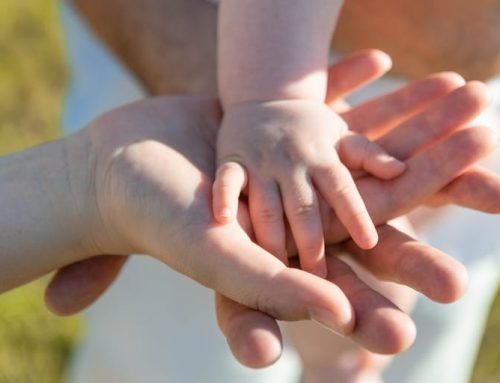
Social support plays a crucial role in building psychological resilience, particularly in times of
crisis. Strong social connections provide a buffer against stress and adversity, offering emotional
support, practical assistance, and a sense of belonging. Whether through family, friends, or
community organizations, social support networks bolster resilience by providing individuals with
the resources and encouragement they need to cope with adversity and thrive in the face of
global challenges.
Resilience is not only an individual trait but also a collective capacity that can be nurtured and
strengthened within communities and organizations. By fostering a culture of resilience,
communities can build networks of support, promote collaboration and solidarity, and empower
individuals to overcome adversity together. Through shared experiences of resilience,
communities can emerge stronger and more cohesive, equipped to tackle future challenges with
confidence and resilience.
Psychological resilience offers a powerful framework for navigating global challenges with
strength, adaptability, and hope. By cultivating self-awareness, cognitive flexibility, and social
support, individuals and communities can build resilience and thrive in the face of adversity. As
we confront the uncertainties of an ever-changing world, resilience serves as a beacon of hope,
guiding us through adversity and towards a brighter, more resilient future for all.