Insights
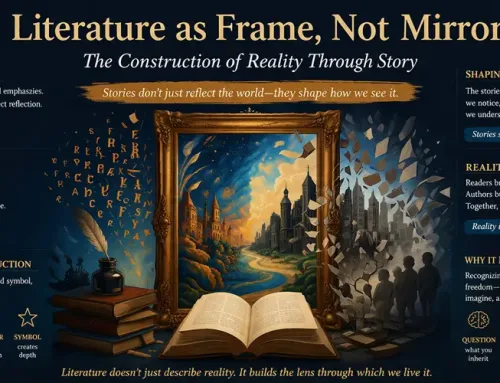
Literary criticism stands as a cornerstone of literary scholarship, offering readers and scholars
alike a nuanced lens through which to interpret, analyze, and appreciate works of literature. In
this comprehensive analysis, we embark on a journey through the intricate realms of literary
criticism, delving into its historical evolution, diverse methodologies, and enduring significance in
shaping our understanding of literary texts. From the structuralist analyses of Roland Barthes to
the postcolonial critiques of Edward Said, literary criticism illuminates the multifaceted layers of
meaning and interpretation that reside within the pages of great works of literature.
Literary criticism has a rich and complex history, evolving alongside shifts in intellectual and
cultural paradigms over the centuries. From the classical theories of Aristotle and Horace to the
modernist experiments of T.S. Eliot and Virginia Woolf, critics have grappled with questions of
aesthetics, form, and meaning in literature. The rise of structuralism and semiotics in the
mid-20th century brought a renewed focus on the underlying structures and systems of meaning
within texts, while the advent of postmodernism challenged traditional notions of authorship,
narrative, and truth. Today, literary criticism continues to evolve in response to contemporary
cultural and technological shifts, with digital humanities and eco-criticism emerging as vibrant
areas of scholarly inquiry.
Literary criticism encompasses a diverse array of methodologies and approaches, each offering
unique insights into the complexities of literary texts. Formalist criticism, championed by critics
such as Cleanth Brooks and Roman Jakobson, focuses on the intrinsic qualities of the text itself,
analyzing elements such as plot, character, and language. Marxist criticism, inspired by the
writings of Karl Marx and Friedrich Engels, examines literature through the lens of social and
economic power dynamics, exploring issues of class, ideology, and oppression. Meanwhile,
feminist criticism, queer theory, and postcolonial studies offer alternative perspectives that
foreground issues of gender, sexuality, race, and colonialism within literary texts.
Context plays a crucial role in shaping the interpretation and reception of literary texts, as critics
seek to situate works within their historical, cultural, and political contexts. New Historicism,
pioneered by scholars like Stephen Greenblatt, emphasizes the interplay between literature and
history, examining how texts both reflect and refract the social and cultural forces of their time.
Similarly, psychoanalytic criticism, influenced by the theories of Sigmund Freud and Jacques
Lacan, explores the unconscious drives and desires that manifest in literary texts, uncovering
hidden meanings and psychological truths beneath the surface of the narrative.
The digital revolution has transformed the landscape of literary criticism, opening up new
possibilities for interdisciplinary collaboration, archival research, and textual analysis. Digital
humanities projects such as the William Blake Archive and the Walt Whitman Archive provide
scholars with unprecedented access to primary source materials and multimedia resources,
facilitating innovative approaches to literary study. Meanwhile, computational methods such as
distant reading and network analysis offer quantitative tools for analyzing large corpora of texts
and tracing patterns of influence and intertextuality across literary traditions.
Literary criticism serves as a vital tool for unlocking the mysteries of literature, offering readers
and scholars alike the opportunity to engage with texts in rich and meaningful ways. As we
navigate the intricate terrain of literary criticism, let us embrace the diversity of methodologies
and approaches that enrich our understanding of literature, fostering dialogue, debate, and
discovery in the ongoing pursuit of knowledge and insight.