Insights
Science fiction literature, a genre that transcends the boundaries of space and time, offers
readers a portal to explore the limitless possibilities of the human imagination. From dystopian
futures and extraterrestrial civilizations to alternate realities and advanced technologies, science
fiction captivates audiences with its speculative visions of the future and thought-provoking
explorations of humanity’s place in the cosmos. This article embarks on a journey through the
vast frontiers of science fiction literature, delving into its rich history, key themes, and enduring
significance in shaping our understanding of the world and the universe beyond.
The roots of science fiction literature can be traced back to ancient myths and legends, where
fantastical tales of gods, monsters, and otherworldly beings captivated the human imagination.
However, it was during the 19th and 20th centuries that science fiction emerged as a distinct
literary genre, fueled by advancements in science, technology, and the exploration of space.
Pioneering authors such as H.G. Wells, Jules Verne, and Mary Shelley laid the foundations of
modern science fiction with works that explored themes of scientific innovation, social
commentary, and existential exploration.
Science fiction literature encompasses a diverse array of themes and motifs, reflecting the
myriad concerns and aspirations of humanity. From the exploration of space and time travel to
the consequences of artificial intelligence and genetic engineering, science fiction grapples with
the ethical, philosophical, and existential questions posed by emerging technologies and
scientific discoveries. Themes of alien encounters, dystopian societies, and post-apocalyptic
landscapes offer insights into the human condition and the potential futures that await us.
At its core, science fiction literature is a celebration of human creativity and ingenuity, inviting
readers to embark on journeys of exploration and discovery across the cosmos and beyond.
Through imaginative storytelling and speculative world-building, science fiction authors
challenge readers to envision alternative realities and possibilities, expanding the boundaries of
what is known and conceivable. In doing so, science fiction serves as a catalyst for innovation,
inspiring scientists, engineers, and thinkers to push the boundaries of knowledge and explore the
frontiers of the unknown.
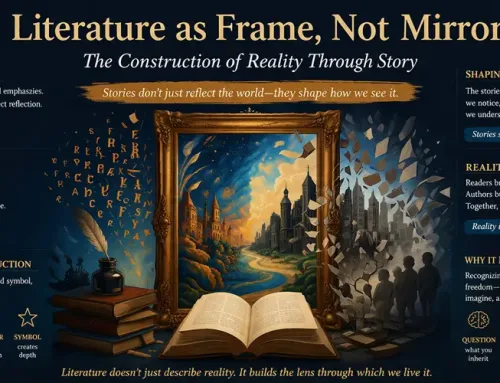
Beyond its speculative elements, science fiction literature serves as a mirror to contemporary
society, reflecting and refracting the hopes, fears, and anxieties of the age in which it is written.
Through allegory, metaphor, and symbolism, science fiction explores pressing social, political,
and environmental issues, offering insights into the human condition and the challenges that
confront us as individuals and as a species. From critiques of totalitarianism and surveillance to
examinations of gender, race, and identity, science fiction literature provides a lens through
which to view the complexities of the world and imagine pathways towards a better future.
Science fiction literature stands as a testament to the boundless creativity and imagination of the
human spirit, offering readers a gateway to explore the mysteries of the universe and
contemplate the possibilities of tomorrow. As we journey through the vast frontiers of science
fiction, we are reminded of the power of storytelling to inspire, provoke, and challenge us to
envision new worlds and possibilities beyond the constraints of the present. In an ever-changing
world shaped by science and technology, science fiction literature continues to serve as a
beacon of hope, guiding us towards a future limited only by the scope of our imagination.