Insights
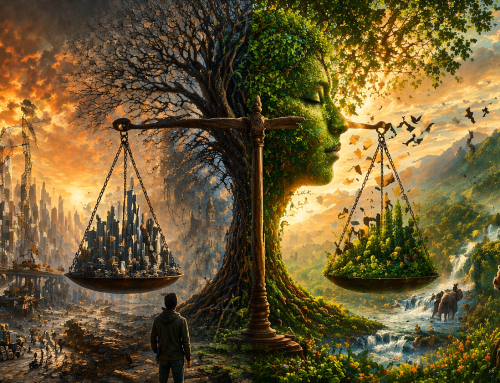
The Earth’s climate has endured perpetual fluctuations throughout its 4.5 billion year existence,
oscillating between epochs of glacial frigidity and sweltering tropical conditions. However, the
unprecedented rapidityand magnitude of contemporary climatic shifts have catalyzed an
existential threat to life as we currently experience it. The culprit behind this planetary
perturbation is the unrestrained propagation of greenhouse gas emissions, chiefly carbon
dioxide, methane, and nitrous oxide.
Anthropogenic activities like the combustion of fossil fuels, deforestation, and industrial
agriculture have precipitated a staggering 49% increase in atmospheric carbon dioxide levels
since the dawn of the Industrial Revolution. This deluge of pollutants has irreversibly disrupted
the delicate equilibrium of the Earth’s atmospheric composition, triggering a cascading
sequence of environmental ramifications that jeopardize the very fabric of our global ecosystem.
One of the most conspicuous manifestations of climate change is the inexorable rise in global
temperatures. According to the Intergovernmental Panel on Climate Change (IPCC), the Earth’s
surface temperature has surged by approximately 1.1°C since the late 19th century, with the past
decade reigning as the hottest on record. This relentless warminghas wrought widespread
consequences, from the pernicious melting of glaciers and polar ice caps to the acidification of
the world’s oceans.
The melting of the Arctic ice cap, which has lost over a million square kilometers of multi-year ice
since 1979, exemplifies the dire implications of climate change. Not only does this melting
contribute to rising sea levels, inundating low-lying coastal regions and displacing millions, but it
also disrupts the intricate polar ecosystem. Indigenous species like polar bears and Arctic foxes
face the grim prospect of habitat loss and potential extinction as their icy domains steadily
recede.
Furthermore, the ramifications of climate change transcend geographical boundaries,
manifesting in the form of increasingly frequent and severe weather events. The past decade has
witnessed an alarming surge in the intensity and frequency of hurricanes, wildfires, droughts,
and floods, all exacerbated by the escalating effects of global warming. In 2022 alone, Pakistan
endured catastrophic floods that submerged a third of the country, displacing millions and
inflicting economic losses estimated at over $30 billion.
The consequences of climate change are not confined to the physical realm; they permeate
every facet of human civilization. Dwindling crop yields resulting from shifts in precipitation
patterns and soil degradation threaten global food security, while the proliferation of vectorborne diseases like malaria and dengue fever poses grave public health risks. Moreover, the
destabilizing effects of climate change have the potential to ignite geopolitical conflicts over
dwindling natural resources, thereby exacerbating migratory pressures and socioeconomic
upheaval.
Combating this existential crisis necessitates a multi-pronged approach that encompasses both
mitigation and adaptation strategies. Mitigation entails curtailing greenhouse gas emissions
through a transition towards renewable energy sources, sustainable agricultural practices, and
the promotion of energy-efficient technologies. Adaptation, on the other hand, involves
bolstering resilience against the inevitable impacts of climate change through measures like
fortifying infrastructure, implementing early warning systems, and promoting climate-smart
agricultural techniques.
Governments, corporations, and individuals alike must take decisive action to curb their carbon
footprints and embrace sustainable practices. Policy interventions such as carbon pricing,
incentivizing renewable energy investments, and stringent emissions regulations are crucial in
catalyzing this transition. Simultaneously, public awareness campaigns and educational
initiatives play a pivotal role in fostering a global cultural shift towards environmental
stewardship.
The road ahead is arduous, but the consequences of inaction are catastrophic. Climate change
poses an existential threat not only to our species but to the multitudinous life forms that inhabit
this fragile planet. By embracing a collective sense of urgency and implementing comprehensive
mitigation and adaptation strategies, we can avert the most calamitous outcomes and preserve a
habitable Earth for generations to come.
The clarion call has sounded, and the onus is upon us to heed its warning. Combating climate
change is not merely an environmental imperative, but a moral obligation to safeguard the future
of our planet and the myriad lifeforms that call it home.